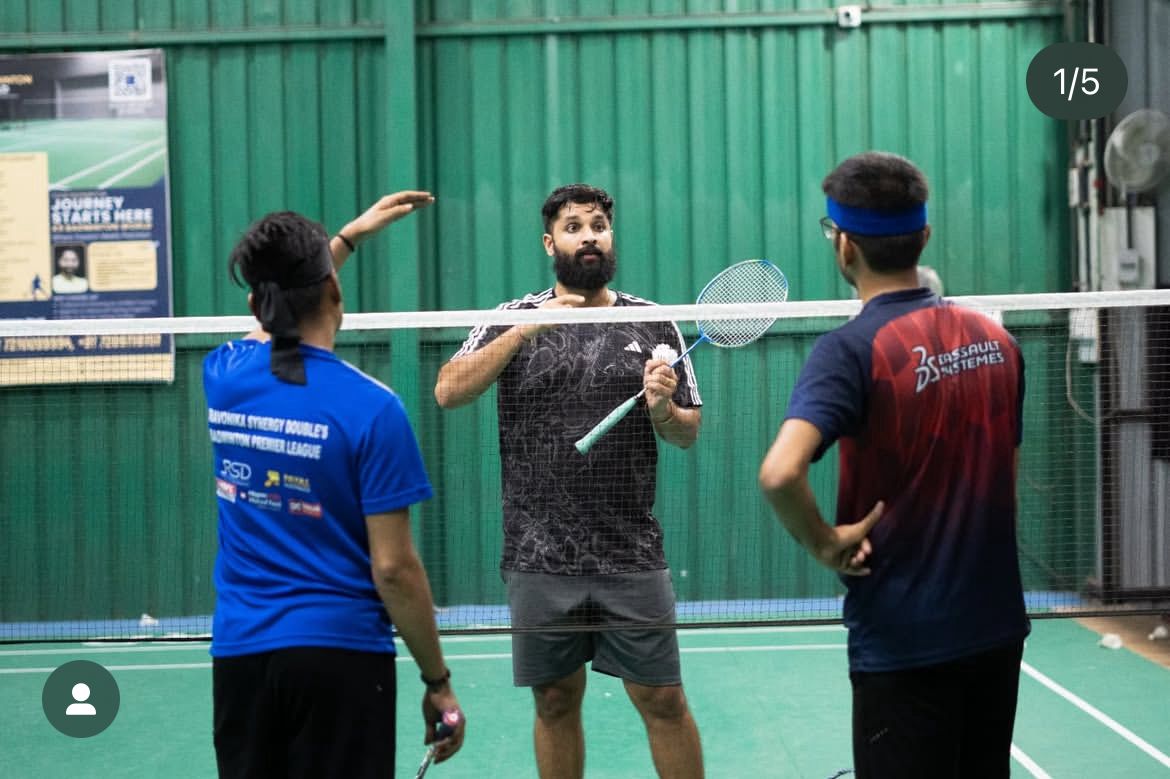

Structured Badminton Training at a Professional Badminton Academy
Structured badminton training does not mean making players run endlessly on courts. Instead, it focuses on safe, age-appropriate, and progressive learning. Most importantly, it avoids overtraining, especially for children. A structured approach ensures that young players build correct habits from the very beginning rather than rushing into advanced drills.
During the first three months, coaches do not push students into competitive matches. Instead, they work on fundamental movement skills, balance, coordination, and basic racket control. Only after students develop these essentials do coaches introduce power-based skills and match situations. When academies skip these early stages, players often develop incorrect techniques. As a result, they may face performance limitations or injuries in the long run.
At K9 Badminton World, coaches follow a clearly defined structured learning system. This system includes standard operating procedures (SOPs) that help maintain consistency across batches and improve communication with parents. Coaches also use assessment rubrics to track each student’s progress objectively and identify areas that need attention. This clarity helps parents understand how their child is developing over time.
For this reason, the training program is divided into five stages: Beginner, Basic, Higher Basic, Transitional, and Advanced. Each stage matches the player’s age, physical readiness, and learning capacity. At every level, coaches focus on correct footwork, stroke correction, coordination, and a gradual understanding of the game. As players move forward, training becomes more structured and purposeful rather than random.
In addition to physical skills, structured badminton training also supports mental development. Through consistent routines and clear goals, students gradually develop discipline, focus, and confidence. Over time, they learn to respect the training process instead of chasing quick results. This balanced approach helps players enjoy the sport while building a strong foundation for long-term growth.
Coach and Student Ratio : Structured Badminton Coaching
Equally important, the student–coach ratio plays a key role in learning. Because of this, coaches can monitor each child closely and provide timely feedback. Along with physical skills, mental strength also develops naturally. Over time, discipline, focus, and confidence improve through structured training.
Why Structured Badminton Training Is Important for Young Players?
Ultimately, players learn to respect the training process. Therefore, they focus on long-term improvement rather than only winning matches. In conclusion, structured coaching works better than random practice. Most importantly, a positive environment helps players grow into confident and skilled badminton athletes.
Structured badminton training is based on coaching principles that are used around the world, like those set out by the Badminton World Federation (BWF).